
"quality inspection"
2000 article(s) found

Introduction to the planting environment of Ethiopian coffee
Due to different planting methods, coffee can be divided into three types: forest-semi-forest coffee (Forest or semi-forest coffee), courtyard coffee (Garden coffee) and plantation coffee (Plantation coffee). 60% of the coffee belongs to forest-semi-forest coffee. In such a wild coffee forest, pesticides are not used at all, but biological methods are used to control pests. 35%

A brief introduction to the characteristics of the country of origin of Ethiopian Bancimaji coffee beans
A brief introduction to the Manor characteristics of the Origin of Ethiopian Bancimaghi Coffee Coffee Harald coffee produced in the southeastern highlands of Ethiopia is a typical Muha coffee with strong aroma; Habesa coffee is mild, full-bodied and sour. Astor coffee is more chocolate and sour. The estate is owned by Gashaw Kinfe Desta and is very close to Geish.

Ethiopian boutique coffee introduces the taste characteristics of Ethiopian coffee Ethiopian coffee
Although the Ethiopian Yirgacheffe coffee is petite, it is gentle and delicate and sweet. As the hometown of coffee, thousands of years of planting history and processing tradition in Ethiopia have created high-quality washed Arabica beans. Light baking has unique sweet aromas of lemon, flowers and honey, soft acidity and citrus flavors, fresh and bright on the palate. Without

Jiaxing imported coffee beans for the first time
Recently, the imported coffee beans accepted by Jiaxing Inspection and Quarantine Bureau for the first time have been successfully sold in the domestic market. The total amount of coffee beans is 15.5 tons, with a value of US $173000. The products include Yejia Fichel coffee raw beans, Sidamowoka coffee raw beans, Panamanian emerald, Ilida, Hartman and other manor-grade coffee raw beans, with a total of 16 varieties, which is by far the first in Jiaxing port.

Lishui imports prepackaged coffee for the first time
On May 2, the imported prepackaged coffee accepted by Lishui Inspection and Quarantine Bureau for the first time has successfully entered the market, with a total of 723 cases and 1013.6 kilograms. The imported prepackaged coffee comes from Italy, a world-famous coffee country, including cappuccino, latte capsules, Arabica barreled coffee beans and other 12 varieties.

Introduction to the producing area of characteristic flavor varieties of sun Xidamo Lion King Coffee Bean
The average price in March 2004 was 60.8 cents per pound, an increase of 50% over the price in September 2001. This is great news for Ethiopia, where coffee grading and quality control systems are divided into three levels: producer, regional and national. All coffee is subject to local inspection before leaving the country of origin.

Boutique Coffee introduced by Manors in Sidamo Coffee Bean producing area of Ethiopia
Due to different planting methods, coffee can be divided into three types: forest-semi-forest coffee (Forest or semi-forest coffee), courtyard coffee (Garden coffee) and plantation coffee (Plantation coffee). 60% of the coffee belongs to forest-semi-forest coffee. In such a wild coffee forest, pesticides are not used at all, but biological methods are used to control pests. thirty-five

Ethiopian (mocha) coffee
The geographical environment of Ethiopia is very suitable for coffee growth. Mocha coffee is mainly grown in the southern highlands between 1100 and 2300 meters above sea level. The main coffee producing areas are Harar, Limu, Djimma, Sidamo, Kaffa, Yergacheffe and Wellega.

Ethiopian coffee flavor Ethiopian coffee variety Ethiopian coffee brand
Due to different processing methods, coffee can be divided into washed coffee (Washed coffee) and sun-cured coffee (Sun-dried coffee). Washed coffee accounts for 35% of exports. Good quality washed coffee is processed with freshly picked fully ripe fruit, picked carefully and closely monitored by professionals. The clean coffee beans picked up will be pulped on the day of picking.

Acidity and texture of Ethiopian Yega Sheffivoka Coffee Flavor Manor
Due to different processing methods, coffee can be divided into washed coffee (Washed coffee) and sun-cured coffee (Sun-dried coffee). Washed coffee accounts for 35% of exports. Good quality washed coffee is processed with freshly picked fully ripe fruit, picked carefully and closely monitored by professionals. The clean coffee beans picked up will be pulped on the day of picking.

Can raw coffee beans sprout? Passengers carrying 60 kilograms of raw coffee beans into the country were returned.
Can raw coffee beans sprout? Passengers carrying 60 kilograms of raw coffee beans into the country were returned to professional baristas for communication. Recently, staff of Shandong Weihai entry-exit Inspection and Quarantine Bureau found that a passenger from Incheon, South Korea, attempted to bring large quantities of raw coffee beans into the country illegally during quarantine inspection at the seaport port. According to investigation, the batch

Boutique coffee beans common sense Ethiopian mocha coffee beans
Ethiopia (Ethiopia) is one of the major producers of Arab coffee beans in Africa, producing the best Arab mocha beans in the world. It is said that coffee beans were first discovered by shepherds in the Kafa region of Ethiopia, and the name of coffee evolved from Kafa, so Ethiopia is still the hometown of coffee. Production and processing of coffee beans in Ethiopia
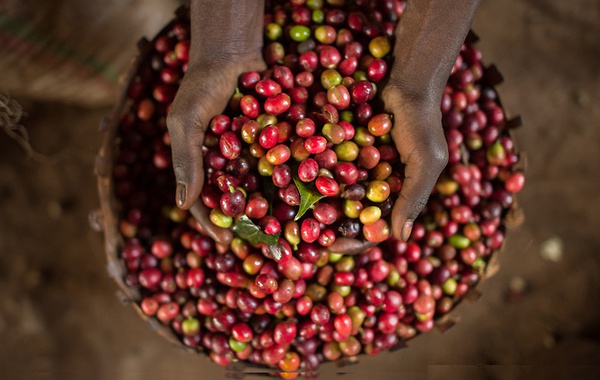
Coffee from Ethiopia, the birthplace of coffee, introduces how Ethiopian coffee powder
Ethiopia is one of the major producers of Arabica coffee in Africa, producing the best Arabian coffee in the world. It is said that coffee was first discovered by shepherds in Essekafa, and the name of coffee evolved from Kafa, so Essex is still the hometown of coffee. The geographical environment of coffee production and processing is very suitable for coffee growth. Coffee is mainly cultivated.

A brief introduction to the grinding scale production area of Ethiopian coffee beans by describing the characteristics of taste and flavor
Brief introduction of Ethiopian coffee bean characteristics, taste and flavor description method grinding scale production area Coffee is Ethiopia's most important export cash crop and the main source of Ethiopia's foreign exchange earnings. Ethiopia's coffee exports account for about 3% of the world market, making it the eighth largest coffee exporter in the world. Coffee exports increased steadily from 58000 tons in 1990 to 1995-1996.

Acidity texture of Ethiopian Yega Sheffivoka Coffee Flavor Flavor Manor Market Development
Coffee is Ethiopia's most important export cash crop and the main source of Ethiopia's foreign exchange earnings. Ethiopia's coffee exports account for about 3% of the world market, making it the eighth largest coffee exporter in the world. Coffee exports increased steadily from 58000 tons in 1990 to 110000 tons in 1995-1996 and remained at this level in the following years. 2001-2002

Sun Coffee Ethiopian Coffee introduction Fine Coffee beans Yega Snow Coffee Gediyo Eastern Highland Mountains
Due to different planting methods, coffee can be divided into three types: forest-semi-forest coffee (Forest or semi-forest coffee), courtyard coffee (Garden coffee) and plantation coffee (Plantation coffee). 60% of the coffee belongs to forest-semi-forest coffee. In such a wild coffee forest, pesticides are not used at all, but biological methods are used to control pests. thirty-five

Sun Coffee Ethiopian Coffee introduction Fine Coffee beans Yega Snow Coffee Gediyo Eastern Highland Mountains
Due to different planting methods, coffee can be divided into three types: forest-semi-forest coffee (Forest or semi-forest coffee), courtyard coffee (Garden coffee) and plantation coffee (Plantation coffee). 60% of the coffee belongs to forest-semi-forest coffee. In such a wild coffee forest, pesticides are not used at all, but biological methods are used to control pests. thirty-five

Imports of tea and coffee surged in Tianjin Port in the first half of the year.
Follow Ka Ping (Wechat official account vdailycom) found that Beautiful Cafe opened its own shop and learned from the Tianjin Inspection and Quarantine Bureau that in the first half of 2017, a total of 800.14 tons of tea were inspected and quarantined by the bureau, with a value of US $2.744 million, with a significant increase in import volume. Imported coffee was 1530.3 tons, with a value of US $4.849 million, and the import volume tripled compared with the same period last year.

More varieties of coffee have been eaten. Lishui imported prepackaged coffee for the first time.
On May 2, the imported prepackaged coffee accepted by Lishui Inspection and Quarantine Bureau for the first time has successfully entered the market, totaling 723 cases and 1013.6 kilograms. The prepackaged coffee imported this time comes from Italy, a world-famous coffee country, including cappuccino, latte coffee capsules, Arabica barreled coffee beans and other 12 varieties.
Washed Ethiopian Sidamo coffee beans introduce coffee flavor and taste
Washed coffee accounts for 35% of exports. Good quality washed coffee is processed with freshly picked fully ripe fruit, picked carefully and closely monitored by professionals. The picked clean coffee beans are pulped on the day of picking, then fermented, washed, dried and peeled. The humidity of processed coffee beans is kept at about 12%. Sun-cured coffee accounts for 65% of exports. Mainly by